
How Quiet Do Suppressors Really Make a Firearm?
Hollywood Myth, or a Tool for Complete Silence?
Suppressors have long been portrayed in movies as tools that make guns whisper-quiet, like you’re letting the air out of a bike tire, making them referred to as “silencers“. In reality, these attachments do not completely silence a firearm — they reshape its sound to make it quieter (but they still are very effective). Rather than turning a gunshot into a faint puff, suppressors reduce its harshness, control recoil, and make shooting far more comfortable and less damaging to your hearing.
Our team at Heresy Design is going to break it down.
What a Suppressor Actually Does
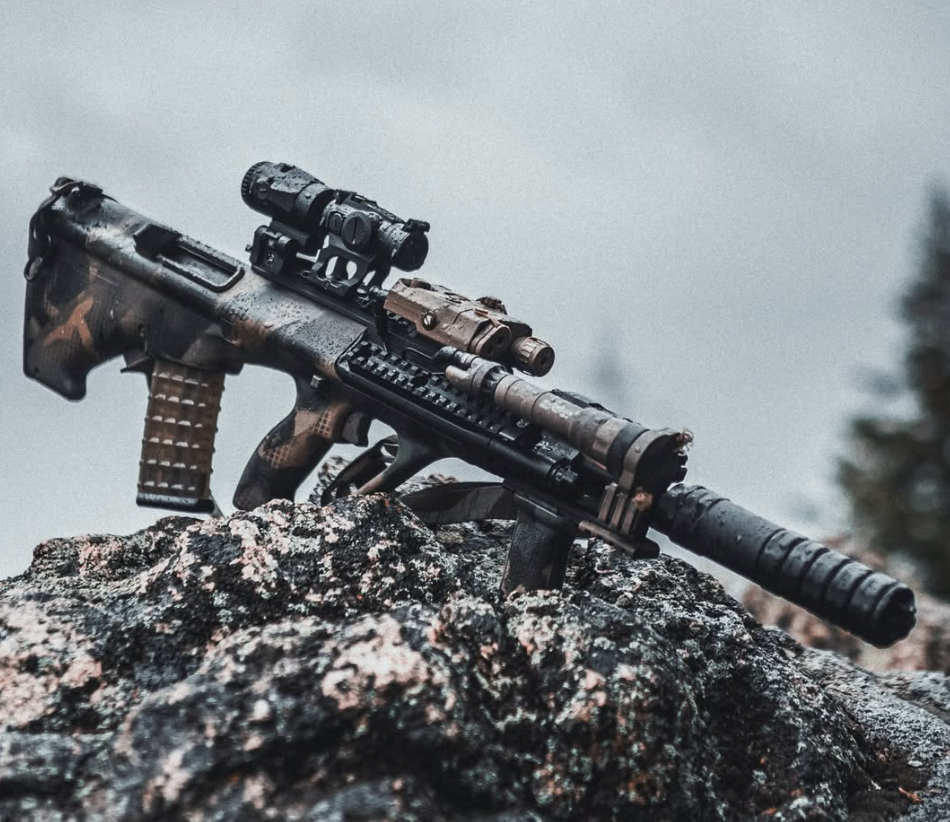
When you pull the trigger on a firearm, two main noises occur:
- Muzzle Blast – The hot, high-pressure gas that escapes the barrel immediately after the bullet.
- Sonic Crack – The shockwave created when a bullet travels faster than the speed of sound.
A suppressor mounted on the end of your gun addresses the muzzle blast by containing and cooling those gases through a series of internal baffles. The gas expands more slowly, which significantly reduces the intensity of the blast.
However, a suppressor cannot stop the sonic crack from a supersonic bullet. The only way to remove that sound is by using subsonic ammunition, which travels below the speed of sound.
The quietest setup combines both — a quality suppressor and subsonic ammo — but that combination can also slightly change the bullet’s trajectory and impact point.
How Much Quieter Does It Get?
A suppressor doesn’t make a gun silent (so the term “silencer” isn’t entirely true), but it can make it far more manageable and make the shooter less detectible. The typical sound reduction is between 20 and 35 decibels, depending on the firearm itself, the caliber, suppressor design, and ammo used.
To put that in perspective, a suppressed rifle might drop from a painfully loud 165 dB to around 135–140 dB. That’s still loud enough to warrant ear protection for frequent shooting but far more comfortable than an unsuppressed shot.
Outdoors, the difference feels substantial — shots are less concussive, and bystanders experience less noise pollution. Indoors, reverberation can still make things loud, though noticeably less harsh.
Other Benefits of Shooting Suppressed
Beyond noise reduction, suppressors offer several practical advantages:
Reduced Recoil: The suppressor acts like a gas brake, softening recoil impulse and allowing faster, more controlled follow-up shots.
- Less Muzzle Rise: Added weight at the muzzle helps stabilize the firearm and reduces upward flip.
- Improved Accuracy: Many shooters notice tighter groups and more consistent shot placement due to stabilized muzzle pressure. Pair that with something like a quality optic or upgraded grips, and you can have something that is dead on.
- More Comfortable Training: Suppressed firearms are easier on your ears, shoulders, and overall shooting experience.
However, attaching a suppressor can shift your point of impact due to changes in barrel harmonics, so re-zeroing your optic or sights is always a smart move.
Suppressor Maintenance and Compatibility

silencer timing device
Suppressors work best when properly matched to the firearm, check out the Silencer Timing Device for help with that. Using a can that’s not rated for your caliber or gas system can cause reliability issues or even damage.
Over time, suppressors accumulate carbon and lead fouling inside the baffles. Regular cleaning — according to manufacturer guidelines — keeps them performing efficiently and ensures a long lifespan.
Mounting systems vary, too. Many barrels need to be threaded, and some setups use quick-detach adapters or muzzle devices to secure the suppressor in place.
Legal Considerations
Suppressor laws vary widely. In some regions, they’re legal with proper NFA registration and paperwork; in others, they’re tightly restricted or banned. Always verify local and federal regulations before purchasing or using one.
Owning a suppressor often requires a background check, a tax stamp, and waiting period. While the process can take time, many shooters find the benefits — hearing protection, recoil control, and reduced noise impact — well worth the effort.
The Resonance 22 Silencer
The suppressor market is evolving fast. New materials, lighter construction, and modular systems are changing how shooters approach suppression. Our team at Heresy Design tapped into the suppressor market and released the Resonance 22. Heresy Design is known for precision-crafted firearm components tailored for popular models like the Steyr AUG and the Ruger 10/22, it was only a matter of time before suppressors entered the mix.
If you’re looking for one of the quietest and most practical suppressor options, especially for rimfire platforms, the Resonance 22 stands out.
Why It’s Exceptionally Quiet
- 112 dB average sound signature
That places it among the quietest suppressor setups available, especially when paired with subsonic .22 LR ammunition. - Optimized for rimfire + subsonic 5.7mm
Designed specifically to maximize suppression where it matters most.
Key Features
- Full rimfire rating + Subsonic 5.7 compatibility
- High-flow monocore design for reduced blowback
- No tools required for cleaning and maintenance
- Ultralight at just 4.2 oz, making it easy to handle
- Limited lifetime warranty
Materials & Build Quality
- Core: 6061-T6 Aluminum with Type II hard anodizing
- Blast Cone: 416 stainless steel with nitride coating
- Tube & Endcap: 4140 steel with nitride coating
- Thread Mount: 17-1 stainless
Specifications
- Length: 5.9 inches
- Diameter: 1 inch
- Weight: 4.2 oz
- Rating: Rimfire and subsonic 5.7mm
The combination of lightweight construction, durable materials, and an efficient internal design makes it a top-tier choice for shooters who want maximum suppression without added bulk.
When Suppressors Make the Most Difference
- High-Pressure Calibers: Large rifle cartridges gain the most noticeable decibel reduction.
- Subsonic Ammo Use: Pairing subsonic loads such as the popular .22 or 9mm or .300blk with a suppressor results in the quietest possible setup.
- Indoor Shooting: Suppressors dramatically reduce the painful reverberation common at indoor ranges.
- Frequent Range Time: Regular shooters benefit from less fatigue and better hearing protection over time.
Final Thoughts
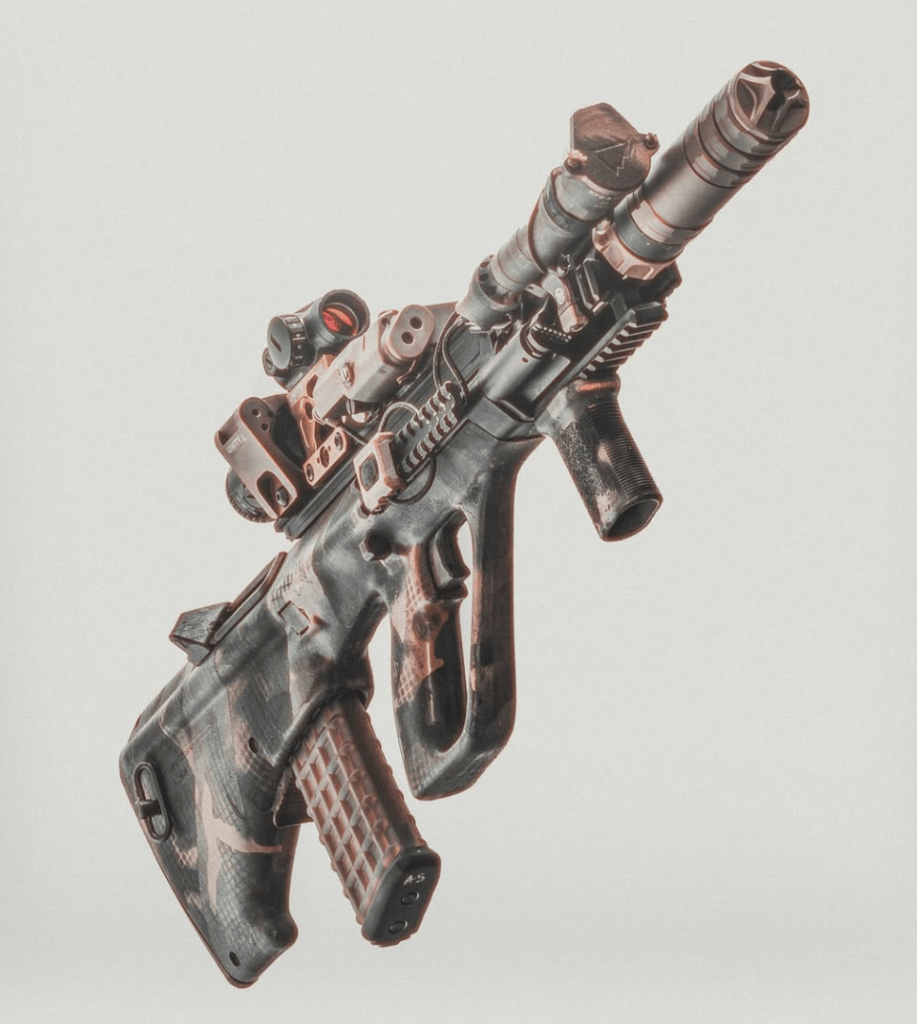
A suppressor doesn’t make a firearm silent — it makes it civilized and more manageable. It tames the noise, reduces recoil, and makes shooting a smoother, more enjoyable experience.
For those looking to improve comfort, protect hearing, and minimize disruption, a suppressor is one of the most practical firearm accessories you can own. With companies like Heresy Design bringing new models to market soon, shooters will soon have even more innovative options to choose from — designed for performance, durability, and a better shooting experience overall.
Check out Heresy Design on Instagram!


2 Comments
Suppressor Alignment and Silencer Timing Devices | Heresy Design · December 4, 2025 at 8:09 am
[…] anyone using a suppressor, also known as a silencer, one of the most important — and often underestimated — factors is […]
NFA Updates and Suppressor Rule Changes Coming in 2026 | Heresy Design · December 9, 2025 at 6:48 pm
[…] the removal of the traditional $200 tax stamp for many NFA categories, the process of acquiring suppressors becomes more accessible than it has been in nearly a […]