
Suppressor Heat
Published by WolfingerDylandylan060163df90 on
Why It Matters and How Modern Suppressors Handle It
When it comes to firearm attachments and upgrades, suppressors are becoming more and more popular since the NFA no longer requires a $200 fee for the tax stamp. Suppressors dramatically improve the shooting experience by reducing sound, helping to control recoil, and minimizing muzzle flash, but they also introduce another factor shooters must manage: heat. Whether you are training hard, running drills, hunting, or shooting long strings of fire, suppressor heat becomes a major consideration for both performance and safety.
As suppressors trap expanding gases and redirect pressure, temperatures rise rapidly. Some suppressors can become dangerously hot within a single magazine. Understanding how suppressor heat works, what causes it, and how modern suppressor designs help mitigate it is essential for anyone running a suppressed firearm.
Our team at Heresy Design is going to break it down.
Why Suppressors Get So Hot
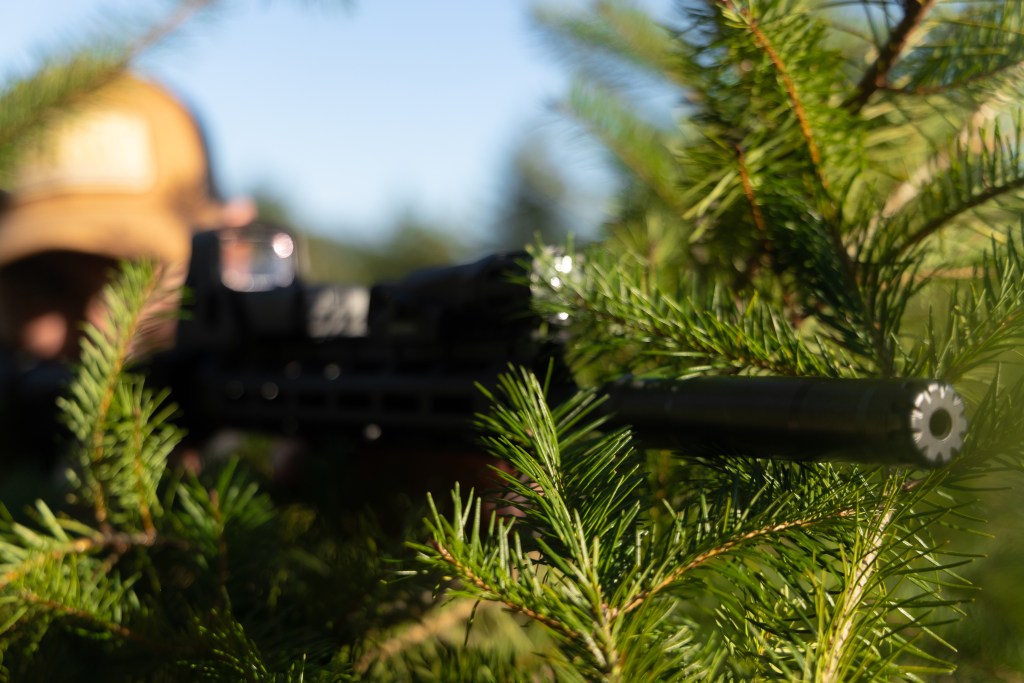
Every time a trigger is pulled and the firearm is discharged, burning propellant creates extremely hot, high-pressure gases. A suppressor captures and slows these gases instead of allowing them to exit immediately from the muzzle.
While this process reduces sound signature, it also traps a tremendous amount of thermal energy inside the suppressor body.
The more rounds fired:
- The hotter the suppressor becomes
- The longer it retains heat
- The greater the heat transfer to the firearm
- The higher the risk of mirage and burns
Even rimfire suppressors can become extremely hot after extended shooting sessions, while centerfire rifle suppressors may reach several hundred degrees in just minutes.
Factors That Affect Suppressor Heat
Rate of Fire
Rate of fire is one of the biggest things that affect suppressor heat, whether you are shooting a rifle, a pistol, or something else. Rapid fire generates heat exponentially faster than slow, controlled shooting.
For example:
- Slow precision shooting allows heat to dissipate between shots
- Rapid magazine dumps create intense thermal buildup
- Full-auto fire generates extreme temperatures quickly
Sustained firing schedules are one of the biggest causes of suppressor overheating.
Suppressor Material
Suppressor construction directly impacts:
- Heat absorption
- Heat retention
- Cooling speed
- Durability under thermal stress
Common suppressor materials include:
- Titanium
- Stainless steel
- Inconel
- Aluminum
- Hybrid combinations
Aluminum suppressors are lightweight and cool faster but are generally intended for lower-pressure applications like rimfire use. Steel and Inconel suppressors handle high heat far better but typically retain heat longer.
Suppressor Size and Volume

Larger suppressors usually:
- Absorb more heat initially
- Distribute thermal energy better
- Resist overheating longer
However, they may also retain heat for extended periods after shooting.
Compact suppressors heat up much faster due to reduced internal volume and surface area.
Ammunition Choice
Realistically, ammunition choice affects any firearm, and we aren’t just referring to caliber choice, but higher-pressure ammunition produces more heat.
Factors that increase suppressor temperatures include:
- Faster bullet velocities
- Larger powder charges
- High-pressure rifle cartridges
- Rapid-burning propellants
Subsonic ammunition often generates less overall heat compared to high-velocity loads.
The Problem With Excessive Suppressor Heat
Mirage Distortion
One of the most common issues shooters encounter is suppressor mirage.
As heat rises from the suppressor, it creates visual distortion through optics, and even through iron sights. This can:
- Blur sight pictures
- Reduce precision
- Slow target acquisition
- Impact long-range accuracy
- Impact your accuracy in defensive situations
Precision rifle shooters often use suppressor covers specifically to reduce mirage effects.
Increased Blowback
Hot suppressors create additional gas pressure inside the firearm system.
This can lead to:
- More gas to the face
- Dirtier firearm internals
- Increased carbon buildup
- Faster fouling
- Reduced shooter comfort
Modern high-flow suppressor designs help minimize this issue significantly.
Burn Risk
Suppressors become hot enough to cause severe burns surprisingly quickly.
A suppressor that appears harmless may still be hot enough to:
- Melt nylon gear
- Damage soft cases
- Burn skin instantly
- Ignite flammable material
Proper suppressor handling is critical during training and transport.
Heat and Suppressor Longevity
Excessive heat cycling can eventually wear down suppressors over time.
Repeated overheating may contribute to:
- Material fatigue
- Baffle erosion
- Finish degradation
- Structural stress
High-quality suppressors are engineered to withstand these conditions, but responsible firing schedules still matter for maximizing suppressor lifespan.
How Modern Suppressor Designs Reduce Heat Problems

Suppressor technology has evolved significantly in recent years. Many manufacturers now focus heavily on improving gas flow and reducing thermal stress.
High-Flow Designs
Modern high-flow suppressors help:
- Reduce backpressure
- Lower blowback
- Improve gas venting
- Minimize heat concentration
These designs create a more comfortable shooting experience, especially on semi-auto rifles and pistols.
Monolithic Core Designs
Monolithic or monocore suppressors have become increasingly popular because they simplify maintenance and improve internal gas flow.
Advantages include:
- Easier cleaning
- Reduced carbon lock
- Better airflow
- Consistent alignment
- Simplified construction
This is especially important for rimfire suppressors, which accumulate fouling rapidly.
Lightweight Suppressors and Heat Management
Lightweight suppressors are easier to handle during long shooting sessions, but they also heat up faster.
A quality lightweight suppressor must balance:
- Weight reduction
- Structural integrity
- Heat tolerance
- Cooling efficiency
This is why many suppressors combine aluminum cores with reinforced steel blast areas to improve durability.
Rimfire Suppressors and Heat

While rimfire suppressors operate at lower pressures than centerfire rifle suppressors, they still generate considerable heat during extended use.
The added issue with rimfire platforms is fouling.
Dirty ammunition creates:
- Lead buildup
- Carbon accumulation
- Residue inside the suppressor
That is why easy maintenance becomes extremely important for rimfire suppressor owners.
The Resonance 22 Silencer from Heresy Design addresses these concerns with a lightweight high-flow monocore design engineered to minimize blowback and reduce residue buildup.
Its ultralight 4.2-ounce construction helps keep rimfire hosts balanced and maneuverable, while the tool-free serviceability allows shooters to clean the suppressor quickly after heavy use.
Because heat and fouling go hand in hand with rimfire shooting, suppressors that are easy to maintain often provide better long-term performance.
Check out the full review here!
Tips for Managing Suppressor Heat
Allow Cooling Periods
Avoid continuous rapid fire for extended periods whenever possible.
Allowing the suppressor to cool periodically helps:
- Preserve suppressor lifespan
- Reduce mirage
- Improve shooter comfort
- Prevent overheating
Use Suppressor Covers Carefully
Suppressor covers can:
- Reduce mirage
- Protect against burns
- Prevent gear damage
However, some covers may also trap heat inside the suppressor during aggressive firing schedules.
Avoid Immediate Storage
Never place a hot suppressor directly into:
- Gun bags
- Vehicle seats
- Soft rifle cases
- Nylon gear
Allow suppressors to cool fully before transport.
Wear Gloves During Training
Especially during rifle classes or high-round-count sessions, gloves can help prevent accidental burns from hot suppressors and heated handguards.
Final Thoughts
Suppressor heat is an unavoidable part of shooting suppressed firearms, but understanding how it works helps shooters manage it safely and effectively.
Factors like firing schedule, suppressor materials, ammunition choice, and suppressor design all play a role in thermal performance. Modern suppressor technology has improved dramatically, with high-flow systems and monocore designs helping reduce blowback, improve maintenance, and manage heat more efficiently.
Whether you are shooting rimfire trainers, precision rifles, carbines, or pistols, choosing a suppressor designed with airflow and serviceability in mind can make a major difference during long shooting sessions.
The right suppressor not only sounds good — it should also handle heat effectively, remain easy to maintain, and continue performing reliably under demanding conditions.
Check out Heresy Design on Instagram!


0 Comments