
HUGE NFA Updates in 2026
What Gun Owners and Suppressor Buyers Need to Know
The National Firearms Act (NFA) is undergoing its biggest shake-up in decades, and 2026 has brought major changes for attachments like suppressors, short-barreled rifles, and short-barreled shotguns.
For suppressor owners and enthusiasts who like to improve the performance of their firearms with these attachments, the most important developments are the elimination of the federal $200 NFA making and transfer taxes and a landmark federal court ruling challenging the federal registration and approval requirements that have governed NFA items for generations.
At Heresy Design, we believe it is important for firearm owners to understand what these changes mean—and just as importantly, what they do not mean.
What Are Suppressors? Understanding Their Performance Benefits and Uses
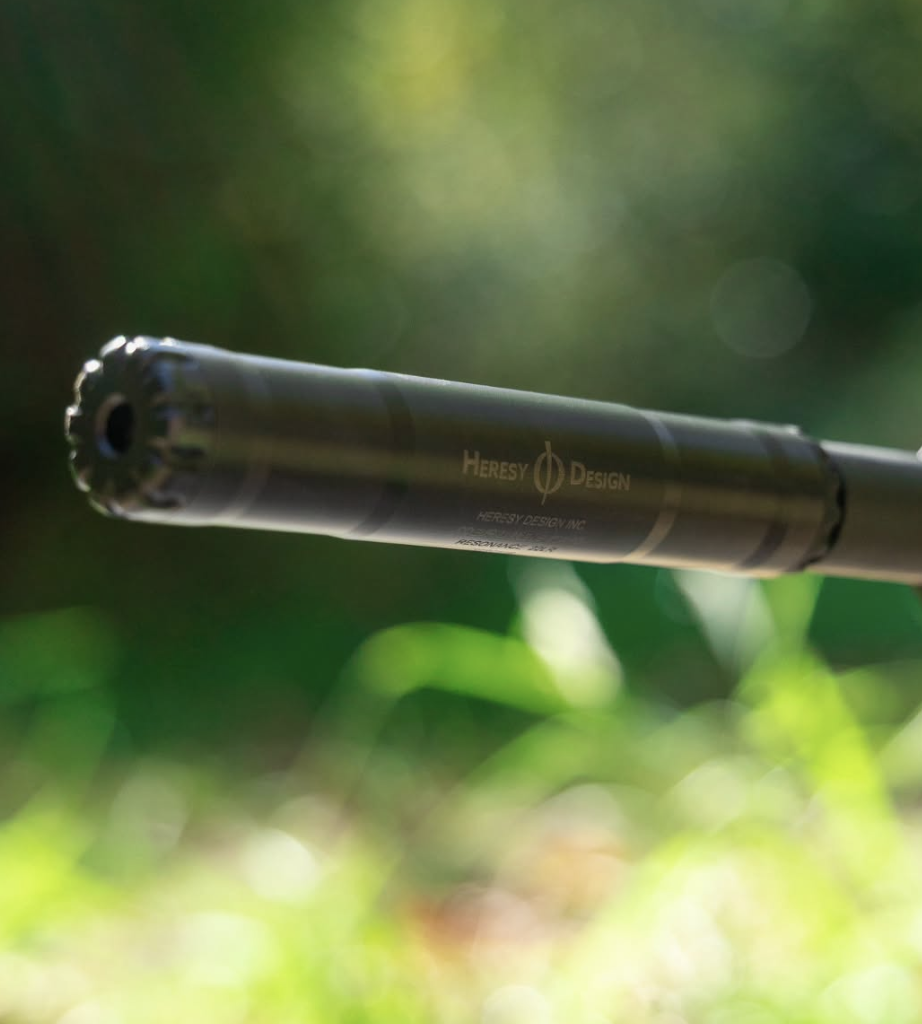
The first thing to discuss is what exactly a suppressor is and what it does. A suppressor is a firearm accessory designed to reduce the report, muzzle blast, and pressure produced when a firearm is discharged. These are used for range use, hunting, different defensive setups, and more.
Federal law and a lot of Hollywood productions commonly use the term “silencer,” while “suppressor” is the term most commonly used by the modern firearms industry ATF defines a firearm silencer or muffler as a device intended to silence, muffle, or diminish the report of a portable firearm.
Despite the popular misconception, a suppressor does not make a firearm completely silent. Instead, it works by providing a controlled expansion area for the high-pressure gases produced when a cartridge fires. Inside the suppressor, baffles and expansion chambers slow and redirect those gases before they exit the muzzle, reducing the intensity of the muzzle blast.
There are suppressors for every caliber, from .22 to larger calibers like 5.56 and beyond. These suppressors can wear out faster if not properly cleaned and maintained, as dirt and debris and carbon and lead can buildup. Also, if they are not aligned properly, it can destroy the suppressor.
The $200 NFA Tax Is Now $0
One of the biggest changes took effect January 1, 2026.
Under the federal legislation commonly known as the One Big Beautiful Bill Act, the federal making and transfer taxes for several NFA categories were reduced from $200 to $0. The affected categories include suppressors, short-barreled rifles, braces for pistols, short-barreled shotguns, and certain other NFA firearms.
That means the traditional $200 tax associated with an NFA Form 1 or Form 4 for these items is no longer being collected.
However, eliminating the tax did not initially eliminate the rest of the NFA process. ATF continued publishing Form 1 and Form 4 materials and treating NFA registration and approval requirements as applicable.
That distinction became extremely important in 2026.
A Landmark Federal Court Ruling
On August 5, 2026, U.S. District Judge James Wesley Hendrix of the Northern District of Texas issued a major ruling in litigation challenging the NFA’s regulation of suppressors and certain short-barreled firearms.
The court concluded that the relevant NFA registration and approval requirements could no longer be constitutionally justified after Congress reduced the applicable making and transfer taxes to zero.
The court permanently enjoined federal officials from enforcing specified NFA provisions against the plaintiffs and, where applicable, their members and customers. The judgment specifically addressed suppressors, short-barreled rifles, and short-barreled shotguns, among other provisions.
The order originally included a seven-day stay to give the federal government an opportunity to seek appellate relief.
That deadline passed without the Justice Department obtaining a stay, and the injunction took effect on August 13, 2026.
What Does the NFA Ruling Mean?
This is where things get complicated. The August 2026 ruling is not a blanket nationwide repeal of the NFA.
The injunction is limited to the parties covered by the litigation and does not automatically mean every firearm owner in every state can ignore federal NFA requirements.
For people who fall within the scope of the injunction, however, the decision is significant. It prevents federal officials from enforcing certain registration and approval provisions involving covered untaxed firearms.
The court’s decision therefore represents a fundamental change in how the NFA may be enforced against the parties protected by the injunction.
The legal landscape is still developing, and the ruling could face additional litigation or appellate action. The National Rifle Association’s Institute for Legislative Action has specifically warned that an injunction can potentially be dissolved or stayed and recommends consulting qualified legal counsel regarding individual circumstances.
What About Suppressors?
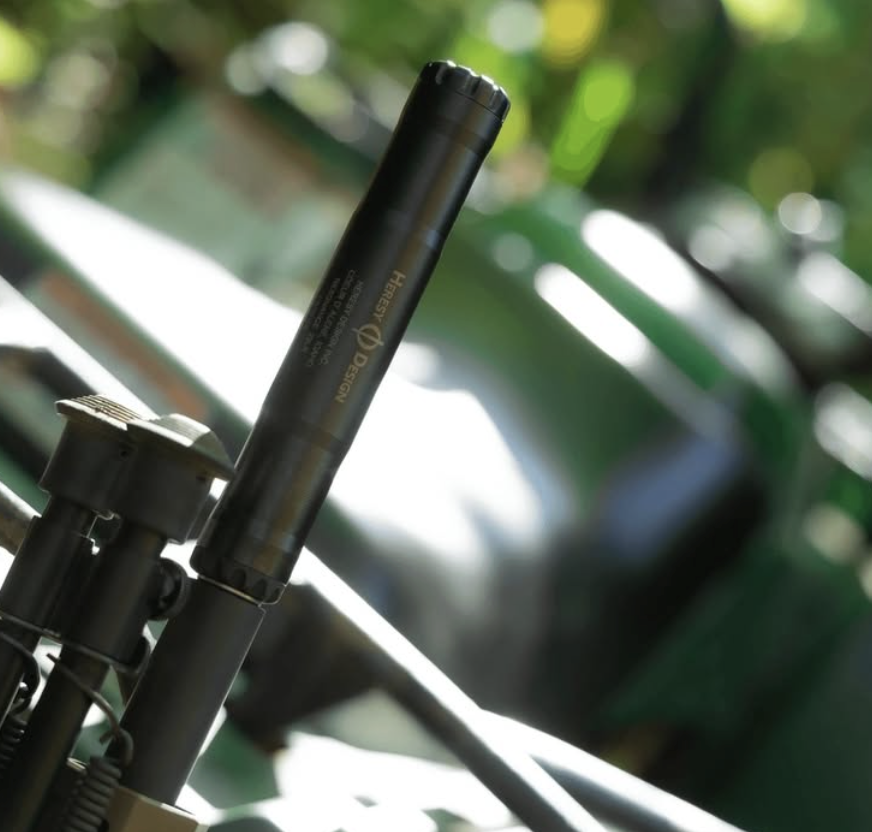
Suppressors are at the center of much of the discussion surrounding the 2026 NFA changes.
For decades, federally regulated suppressors were subject to the NFA’s registration and transfer system, including the $200 transfer tax. The ATF currently reports more than 6.5 million registered silencers in the National Firearms Registration and Transfer Record.
The elimination of the $200 tax dramatically changed the economics of suppressor ownership.
The August 2026 Texas ruling went further by determining that the challenged federal registration and approval requirements could not continue against the protected parties after Congress eliminated the underlying tax.
For suppressor manufacturers and enthusiasts, this could represent a historic shift in the way suppressors are regulated at the federal level.
Does This Mean Suppressors Are Completely Unregulated?
No.
This is one of the most important points for firearm owners to understand. The federal court ruling does not mean that every suppressor regulation has disappeared everywhere in the United States.
Federal litigation remains ongoing, and the injunction’s scope matters. State laws can also impose separate restrictions. The court’s judgment itself expressly limited the relief it granted and denied other requested relief.
In other words, firearm owners should not assume that a change in federal NFA enforcement automatically overrides state or local law.
The legal status of suppressors can vary depending on where you live and whether you fall within the scope of the current injunction.
What Happened to the Traditional Form 4 Process?
Before the 2026 changes, purchasing a suppressor through a dealer generally involved an ATF Form 4, fingerprints, photographs, background checks, registration, and the $200 transfer tax.
ATF’s current published Form 4 documentation still describes the form as the application used to request approval to transfer and register an NFA firearm.
The important distinction is that federal regulations and court orders are now moving at different speeds.
The ATF’s published forms and resources have not necessarily been rewritten to reflect every consequence of the newest court decisions. That means firearm owners should rely on current official guidance and qualified legal advice rather than assuming that an old form or an internet post tells the entire story.
NFA Processing Times Have Already Changed
Even before the latest court ruling, NFA processing had undergone major changes.
ATF reported a median processing time of approximately six days for individual eForm 4 silencer applications in its May 2026 data. More than 123,000 silencer Form 4 applications were finalized during that month.
That represents a dramatic improvement compared with the lengthy wait times many suppressor buyers experienced in previous years.
The combination of a $0 federal tax and dramatically faster processing had already made suppressor ownership considerably more accessible in 2026.
The August court ruling adds another potentially transformative layer to the situation.
What Gun Owners Should Do Now

The 2026 NFA landscape is changing quickly. If you are considering purchasing or building a suppressor, SBR, or other NFA-regulated firearm, don’t rely on outdated information.
Instead:
- Understand the current federal rules.
Federal legislation and court decisions have changed the NFA landscape significantly. - Check the scope of current court orders.
The August 2026 injunction is not a universal nationwide repeal. - Know your state laws.
State restrictions can remain in effect even when federal requirements change. - Work with a knowledgeable dealer or attorney.
NFA law is complicated, and the consequences of getting it wrong can be serious. - Watch for additional appeals and rulings.
The current legal situation could change again as litigation continues.
What This Means for the Future of Suppressors
The NFA was created in 1934, nearly a century ago. For decades, suppressors were treated as highly regulated NFA items requiring federal registration, approval, and a $200 tax.
In 2026, that framework has been fundamentally disrupted.
Congress eliminated the $200 making and transfer taxes for several NFA categories. Federal courts have now questioned whether the remaining registration and approval requirements can survive without the tax they were historically tied to. And the resulting litigation could ultimately reshape federal suppressor regulation nationwide.
For suppressor manufacturers such as Heresy Design, the coming months could be among the most consequential in the history of the industry.
The one thing firearm owners should not do is assume that the story is finished.
The NFA is changing. The courts are still involved. Federal agencies are adapting. State laws remain relevant. And additional legal developments could substantially change what firearm owners can legally purchase, possess, build, or transfer.
Stay Informed on NFA and Suppressor Developments
Whether you’re a longtime suppressor owner, a first-time buyer, or simply following the rapidly changing firearms landscape, understanding the latest NFA developments is more important than ever.
Heresy Design is committed to staying informed as the legal and regulatory environment surrounding suppressors continues to evolve.
Check out Heresy Design on Instagram!
Important: This article is for general informational purposes only and is not legal advice. Federal and state firearms laws can change, and the scope of current court orders can be complicated. Always verify current requirements and consult a qualified firearms attorney regarding your specific situation.


0 Comments